Peptides for Muscle Growth: A Scientific Guide to Building Lean Mass
Introduction: The New Frontier in Muscle Development
In the pursuit of optimal physique and performance, athletes, bodybuilders, and fitness enthusiasts are increasingly turning to peptide therapy as a sophisticated approach to muscle growth. Beyond traditional supplements and training methodologies, peptides offer targeted, cellular-level mechanisms that can enhance protein synthesis, improve recovery, and support sustainable lean mass development. This comprehensive guide explores the science behind muscle-building peptides, their mechanisms of action, and how they’re revolutionizing approaches to body composition.
Recommended products
-
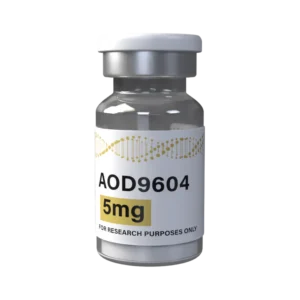
AOD-9604
$41.00 -
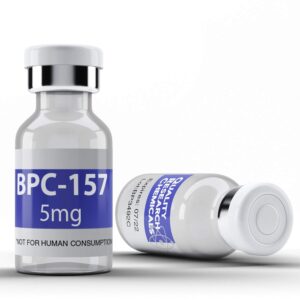
BPC 157 Peptide
Price range: $59.00 through $95.00 -
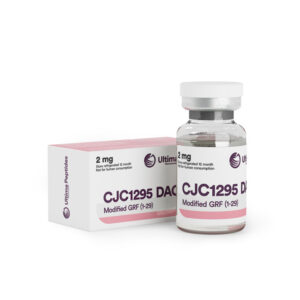
CJC 1295 ipamorelin
$59.00 -
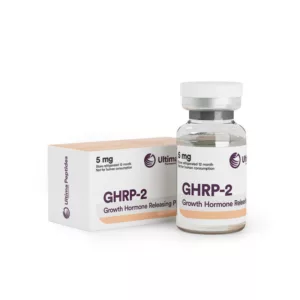
GHRP-2
$48.00 -
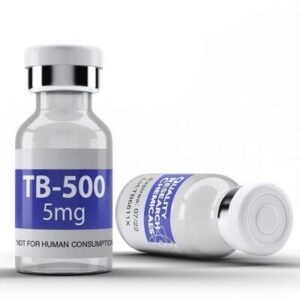
TB-500 Peptide
$79.00
Understanding Peptides for Muscle Growth: Precision Building Blocks
Peptides for Muscle Growth are short chains of amino acids that act as signaling molecules in the body. Unlike whole proteins that are broken down for general use, specific peptides can be designed or selected to trigger precise physiological responses—including those directly related to muscle growth and repair.
Why Peptides for Muscle Growth?
- Targeted Action: Specific peptides activate particular pathways related to muscle development
- Minimal Side Effects: Often more selective than traditional anabolic compounds
- Synergistic Effects: Can be combined with training and nutrition for amplified results
- Multiple Mechanisms: Work through various pathways including hormone stimulation, satellite cell activation, and nutrient partitioning
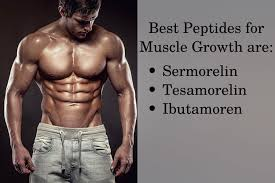
Key Muscle-Building Peptides and Their Mechanisms
1. Growth Hormone Secretagogues (GHS)
These Peptides for Muscle Growth stimulate the body’s natural production of growth hormone and IGF-1, both crucial for muscle growth.
Primary Examples:
- Ipamorelin: Selective growth hormone release without significant cortisol or prolactin increase
- GHRP-2 & GHRP-6: Potent GH release with some appetite stimulation (particularly GHRP-6)
- CJC-1295: Extends growth hormone pulse duration for sustained anabolic environment
How Peptides for Muscle Growth Work:
- Stimulate pituitary gland to release growth hormone
- Increase IGF-1 production in the liver
- Enhance protein synthesis and nitrogen retention
- Improve recovery between workouts
2. Mechano Growth Factor (MGF) Peptides for Muscle Growth
Derived from IGF-1, MGF is produced locally in muscles in response to mechanical stress (exercise).
Primary Examples:
- PEG-MGF: Pegylated version with extended half-life
- IGF-1 LR3: Long-acting IGF-1 analog
How They Work:
- Activate satellite cells (muscle stem cells)
- Promote muscle fiber hyperplasia (increasing fiber number) and hypertrophy (increasing fiber size)
- Enhance muscle repair and regeneration
- Improve nutrient uptake into muscle cells
3. Recovery and Repair Peptides for Muscle Growth
These support the muscular recovery process, allowing for more frequent, intense training.
Primary Examples:
- BPC-157: Promotes healing of muscle tissue, tendons, and ligaments
- TB-500 (Thymosin Beta-4): Enhances cell migration, proliferation, and tissue repair
- AOD-9604: While primarily for fat loss, may have cartilage and connective tissue benefits
How Peptides for Muscle Growth Work:
- Reduce inflammation in trained muscles
- Accelerate repair of micro-tears from training
- Improve joint and connective tissue health
- Decrease downtime between intense sessions
4. Nutrient Partitioning Peptides
These improve how nutrients are distributed and utilized by the body.
Primary Examples:
- Insulin-like compounds (under strict medical supervision only)
- GLP-1 analogs: Can improve insulin sensitivity when used appropriately
How They Work:
- Enhance glucose transport into muscle cells
- Improve amino acid uptake
- Reduce fat storage of excess calories
- Create more anabolic cellular environment
Scientific Evidence: What Research Shows
Clinical Studies on Peptides for Muscle Growth
- Growth Hormone Secretagogues: Multiple studies show increased lean body mass, particularly when combined with resistance training
- IGF-1 Derivatives: Demonstrated ability to increase muscle protein synthesis and satellite cell activation
- Recovery Peptides: Animal and preliminary human studies show accelerated healing of muscular and connective tissues

Important Distinctions from Traditional Compounds
- Not Classic “Steroids”: Peptides work through different mechanisms than anabolic-androgenic steroids
- More Selective Action: Often target specific pathways without broad hormonal disruption
- Natural Stimulation: Many work by enhancing the body’s own production mechanisms
- Better Safety Profile: Generally fewer androgenic side effects when used appropriately
Protocol Considerations for Muscle Growth
Stacking Strategies
Effective peptide protocols often involve strategic combinations:
Mass-Building Focus:
- CJC-1295 + Ipamorelin (for GH/IGF-1 elevation)
- With or without PEG-MGF (for direct muscle signaling)
Recovery-Focused:
- BPC-157 + TB-500 (for enhanced repair)
- Combined with growth hormone secretagogues
Timing and Administration
- Pre-Bed: Many GH secretagogues are most effective before sleep
- Post-Workout: MGF derivatives may be timed around training
- Consistency: Daily administration often required for optimal effects
- Cycling: Typically 8-16 week cycles with breaks to prevent receptor desensitization
Peptides for Muscle Growth Dosage Guidelines
- GH Secretagogues: Typically 100-300 mcg, 1-3 times daily
- MGF Derivatives: Varies by specific peptide, often post-workout only
- Recovery Peptides: Lower doses, often 100-200 mcg daily
Note: Always follow specific peptide guidelines and professional recommendations
Synergy with Training and Nutrition
Training Optimization
Peptides enhance but don’t replace proper training:
- Progressive Overload: Still essential for muscle stimulation
- Training Frequency: Improved recovery allows for more frequent sessions
- Volume Tolerance: Enhanced recovery may support higher training volumes
- Mind-Muscle Connection: No peptide replaces proper form and technique
Nutritional Support
Maximizing peptide effectiveness requires proper nutrition:
- Protein Intake: 1.6-2.2g per kg body weight daily
- Calorie Surplus: Moderate surplus needed for muscle growth (250-500 calories above maintenance)
- Nutrient Timing: Strategic carbohydrate and protein timing around workouts
- Micronutrients: Adequate vitamins and minerals for optimal hormone function
Recovery Enhancement
Peptides work best with proper recovery practices:
- Sleep Quality: 7-9 hours nightly for optimal hormone production
- Stress Management: Cortisol control for anabolic environment
- Active Recovery: Light activity between intense sessions
- Hydration: Essential for cellular processes and nutrient transport

Safety Considerations and Side Effects
Peptides for Muscle Growth Generally Well-Tolerated
Most muscle-building peptides have favorable safety profiles when used appropriately:
- Minimal androgenic effects (unlike traditional steroids)
- Lower risk of organ stress when dosed properly
- Few long-term side effects in research studies
Potential Concerns
- Blood Glucose Effects: Some peptides can influence insulin sensitivity
- Water Retention: Particularly with growth hormone secretagogues initially
- Joint Discomfort: Possible with rapid connective tissue changes
- Receptor Desensitization: With prolonged, uninterrupted use
Important Contraindications
- Active cancer or tumor history
- Pregnancy or breastfeeding
- Severe kidney or liver impairment
- Uncontrolled diabetes or endocrine disorders
Legal and Ethical Considerations
Peptides for Muscle Growth Regulatory Status
- Many peptides are research chemicals, not FDA-approved for muscle building
- Legal status varies by country and specific peptide
- Prescription requirements differ by jurisdiction
- Competition bans for athletes in tested sports
Responsible Use Philosophy
- Medical supervision recommended
- Appropriate goal setting and monitoring
- Respect for substance regulations in sports
- Transparency with healthcare providers
Beyond Muscle: Additional Benefits
Many muscle-building peptides offer secondary benefits:
- Improved Sleep Quality: Particularly with GH secretagogues
- Enhanced Recovery: From injuries and intense training
- Skin and Hair Health: From collagen stimulation
- Cognitive Benefits: Some users report improved focus and well-being
- Metabolic Advantages: Improved insulin sensitivity and fat metabolism
The Future of Peptide Therapy for Muscle Growth
Peptides for Muscle Growth Emerging Research
- New peptide sequences with greater specificity
- Oral bioavailability improvements
- Targeted delivery systems
- Personalized peptide protocols based on genetic factors
Integration with Other Modalities
- Combined with wearable technology for optimized timing
- Synergy with advanced training methodologies
- Integration with nutrigenomic approaches
- Part of comprehensive longevity and performance programs

Conclusion: A Targeted Approach to Muscle Development
Peptides represent a sophisticated, targeted approach to muscle growth that works with your body’s natural physiology. By activating specific pathways related to protein synthesis, hormone production, and tissue repair, they offer a powerful tool for those seeking to optimize their physique and performance.
However, it’s crucial to emphasize that peptides are not magic solutions. Their effectiveness is maximized when combined with proper training, nutrition, and recovery practices. Furthermore, responsible use requires quality products from reputable sources, appropriate medical guidance, and realistic expectations about results and timelines.
The future of muscle development lies in these targeted approaches that respect the body’s complex biochemistry while providing safe, effective support for achieving fitness goals.
Explore Educational Resources on Peptide Therapy
Interested in learning more about how peptide therapy might support your fitness goals? Access our comprehensive educational resources, research summaries, and professional guidance for responsible exploration of muscle-building peptides. Peptides for Muscle Growth >> best peptides for muscle growth >> peptide for muscle growth